

For example, taking a large dose of opioids can slow or even stop breathing, which can lead to death. Even people who use opioids only as prescribed by a physician can develop OUD. Over time, they may begin to misuse opioids, taking them for reasons other than for which they were originally prescribed.
Overdose Prevention
Some people find hypnosis effective in helping them break through their psychological barriers to change. Hypnotherapy can be empowering and relaxing, helping someone feel more in control of their thoughts without drugs. For this reason, motivational interviewing or motivational enhancement therapy is an important step in helping people who use opioids prepare to quit before they attempt to do so. Creating this barrier of sorts helps individuals to engage with their typical day-to-day activities with less of a drive to pursue opioids and to re-establish healthier, more functional habits. These changes can make it easier for individuals using buprenorphine to adhere to a consistent medication regimen, which can be challenging when having to remember to take a medication multiple times per day.
How to recognize an overdose
- It is imperative that this vital, specialist part of the health workforce has the skills and capacity to help people who are dependent on drugs and alcohol make positive changes to their lives.
- They may be combined with other forms of treatment, or you may need to try more than one to find one that works for you.
- This neurotransmitter both decreases your perception of pain and creates feelings of euphoria.
- Please include what you were doing when this page came up and the Cloudflare Ray ID found at the bottom of this page.
- When you carefully follow prescription instructions, the chances of developing a dependence decrease.
Even as opioid deaths fell, deaths from stimulants such as cocaine and methamphetamine rose. And some states, including Oregon and Washington, continued to experience sharp rises in overall overdose fatalities. The rare good news in the decades-old addiction crisis was attributable mostly to a drop in deaths from synthetic opioids, chiefly fentanyl, said researchers at the National Center for Health Statistics, who compiled the numbers. SUDs can lead to significant problems in all aspects of a person’s life. Patterns of symptoms resulting from substance use (drugs or alcohol) can help a doctor diagnose a person with a SUD or SUDs and connect them to appropriate treatment. To receive methadone for OUD treatment, a person must receive it from a methadone clinic, which some people may find difficult to access.

Support links
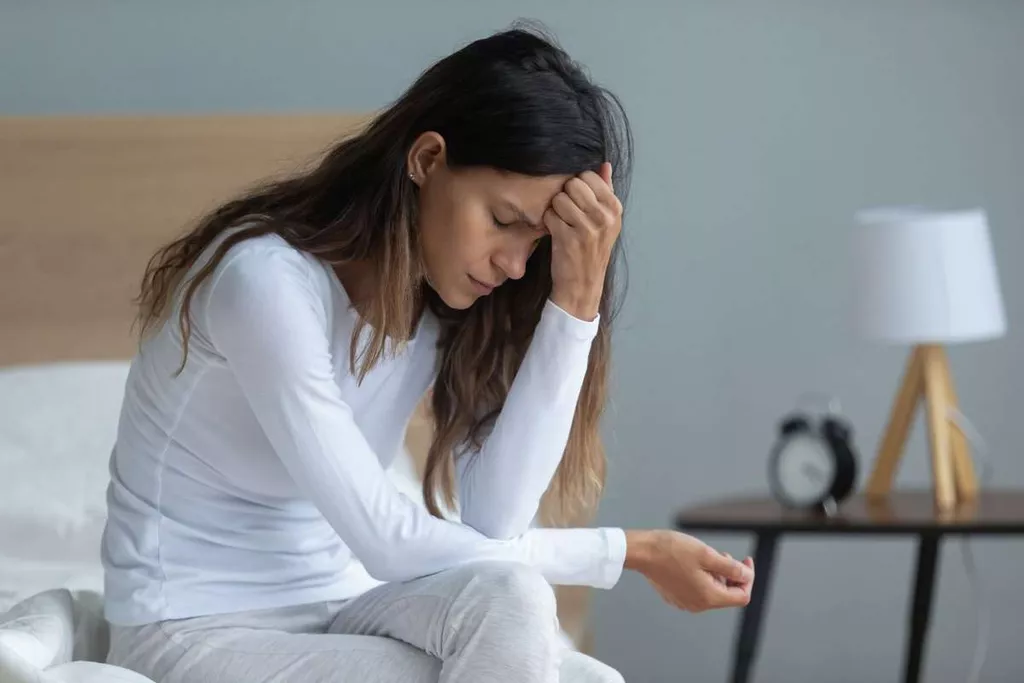
They may order drug tests and evaluate prescription drug monitoring program reports. Having certain physical health conditions, such as chronic pain, can increase people’s use of opioids and the eventual development of OUD. Several studies have found that about half of people who experience a mental health condition during their lives will also experience a substance use disorder and vice versa. In addition, once someone has physical dependence to opioids, the severe withdrawal symptoms create significant motivation to continue using opioids. Because of this, doctors recommend that after medically managed withdrawal, people who have OUD continue long-term treatment to avert and/or address relapse to opioid use.
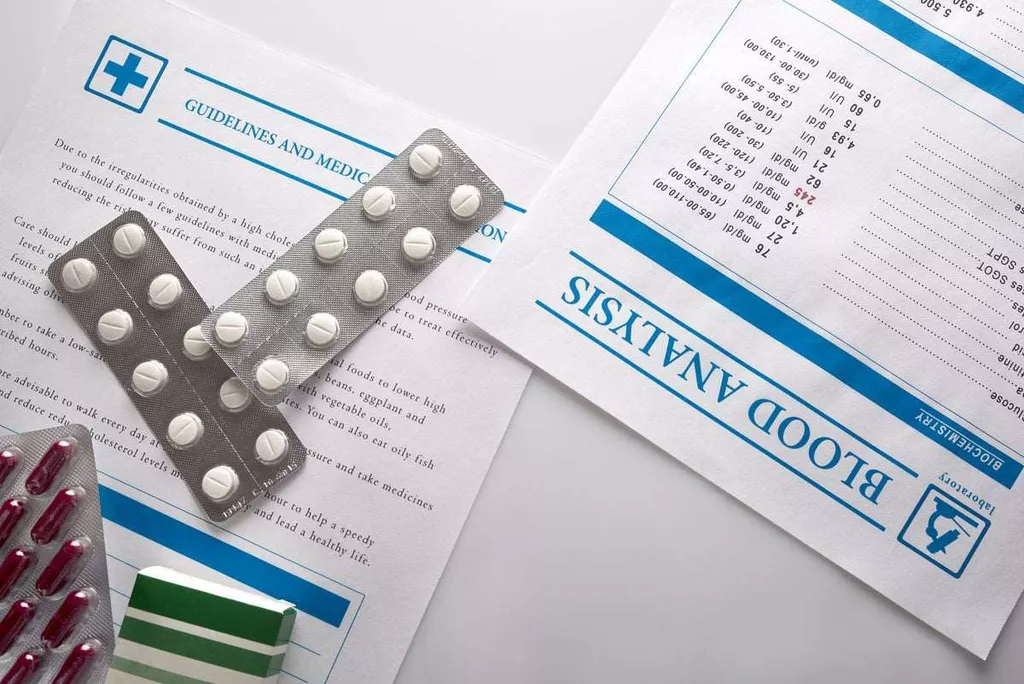
OUD is a medical condition that can affect anyone – regardless of race, gender, income level, or social class. Like many other medical conditions, evidence-based treatments are available for OUD, but seeking treatment remains stigmatized. Stigma can be a major barrier to how well prevention and treatment programs work amid the opioid crisis. A person may need a treatment approach that addresses both mental health and substance use disorders if both conditions are occurring together.
- If a person uses as much of the drug as they did before quitting, they can easily overdose because their bodies are no longer adapted to their previous level of drug exposure.
- Your chances of success depend a great deal on your motivation to change.
- Research shows that when treating addictions to opioids (prescription pain relievers or drugs like heroin or fentanyl), medication should be the first line of treatment, usually combined with some form of behavioral therapy or counseling.
- She said patients in recovery have requested sweat lodges for years as a cultural element to complement the counseling and medications the tribe’s health department already provides.
Misuse of these drugs can disrupt relationships with friends and family, harm performance at work or school, and can result in serious health and legal consequences. Medications and behavioral therapies can help people with OUD stop using opioids and support them in their recovery. Though the shorter wait-time improved the proportion of people who started on XR-naltrexone overall, these findings underscore that challenges remain in starting patients opioid addiction treatment on XR-naltrexone and also keeping them in treatment long term. Across both the standard and rapid procedures, the most commonly reported reason that participants did not receive a first dose of XR-naltrexone was that they chose to leave the treatment unit early. The authors also note that only about 10% of all patients entering treatment chose XR-naltrexone. You are living with your peers, and you can support each other to stay in recovery.
Opioid Addiction – National Institutes of Health (NIH) (.gov)
Opioid Addiction.
Posted: Sun, 19 Nov 2023 23:04:44 GMT [source]
Medicines don’t cure your opioid addiction, but they can help in your recovery. These medicines can reduce your craving for opioids and may help you avoid relapse. Medicine treatment options for opioid addiction may include buprenorphine, methadone, naltrexone, and a combination of buprenorphine and naloxone. Evidence-based approaches to treating opioid use disorder include medications for opioid use disorder (MOUD) and combining medications with behavioral therapy. Research has demonstrated that MOUD is especially effective in helping people recover from their OUD;234 counseling and psychosocial support may also provide additional benefit for some patients. A recovery plan that includes medication for opioid use disorder increases the chance of success.
- After discussion with you, your health care provider may recommend medicine as part of your treatment for opioid addiction.
- Importantly, physical dependence with tolerance and withdrawal alone do not mean someone has an opioid use disorder.
- Behavioral therapies help people in drug addiction treatment modify their attitudes and behaviors related to drug use.
- Talk with a doctor to find out what types of treatments are available in your area and what options are best for you and/or your loved one.